The basics of healthy digestion
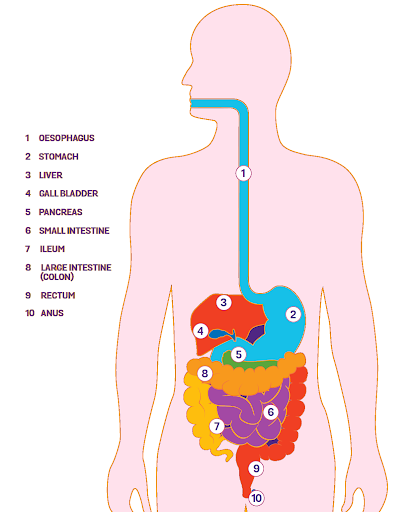
The digestive process starts with our food expectations. The appearance and aroma of something appetizing stimulate saliva. However, true digestion begins in the mouth, where we mechanically tear the food with our teeth, and saliva enzymes begin its chemical breakdown.
Saliva has another important function. By saying this, it lubricates or moistens the food and helps it move more easily along the esophageal tube to the stomach.
In the stomach, the food is mixed with enzymes and gastric juice, which continue the mechanical and chemical breakdown of the food, making it a mess.
The pulp leaves the stomach and enters the small intestine, where digestion continues under the influence of digestive enzymes and bile juices. As the pulp passes along the 7 m long intestine, most of the digested nutrients are absorbed by the intestinal mucosa and enter the bloodstream, where they reach all cells of the body.
The rest of the pulp ends up in the colon, where other processes take place, and with the elimination of unnecessary food residues in the form of fecal matter, digestion ends.
Depending on the type of food, this process may take between 24 and 72 hours.
Conclusion: Digestion is a water-dependent process. Fluids (saliva, gastric juice, bile juices) are needed at every stage of it. In addition to containing different digestive enzymes, these fluids help the food move through the digestive tract. In this sense, it is clear that digestion cannot proceed without water.
Water dilutes gastric juice
Gastric juice contains gastric acid, which has a pH of about 2. Water, in turn, has a neutral pH of about 7. One of the most common statements is that water during feeding dilutes gastric juice, reduces its acidity and interferes with digestion.
The only scientific argument in support of the above claim is a limited study done with only 12 participants, with a two-point reduction in the acidity of gastric juice identified. The problems with this study are that the sample is too small, that the study is not controlled (ie we do not know what happens to a control group that does not drink water but eats the same food), and that it does not monitor whether this increase in the pH of the stomach acid in any way adversely affects the digestion.
At the same time, other studies have shown that the digestive system is self-regulating and able to adapt synthesis to gastric juice, pancreatic enzymes, and bile juice, depending on the consistency of the food ingested.
In other words, there is currently no convincing evidence that water dilutes gastric juice while eating and thus interferes with digestion.
Fluids accelerate the passage of food through the stomach
The basis of this claim is that fluid intake during eating accelerates the passage of food through the stomach, thus shortening the time it is in contact with gastric juice and enzymes, leading to digestive problems.
As logical as such a statement may sound, it is not supported by scientific facts. On the contrary! Studies have shown that with the simultaneous intake of solid foods and liquids, liquids leave the stomach faster, but the time that solid foods spend there does not change.
In other words, there is no evidence that water intake while eating will interfere with digestion! In fact, water can rather aid the digestive process in several ways.
How Water Helps Digestion
Many people today eat fast and on the go without chewing their food well. In the case of poor chewing, not enough saliva is synthesized, which not only interferes with good digestion but also does not provide sufficient lubrication of the food for its easier passage along the esophageal tube to the stomach.
During digestion, the stomach synthesizes between 400 and 700 ml of gastric juice, which consists of water, electrolytes, stomach acid, digestive enzymes and more. In order for this process to occur, the body needs water.
Water is one of the leading prerequisites for regular elimination and avoidance of swelling and constipation.
Water cleanses the palate between foods and helps us to taste others more tastefully. This contributes to greater enjoyment of the food.
Water intake can help make nutrition more conscious. When you eat too fast, you may not feel the satiety signal in time. Drinking a glass of water is a way to slow down your diet, listen to your body's signals, and avoid overeating.
What's more: taking water while eating can even help you lose weight! A 12-week study published in Obesity Magazine monitored the condition of 48 overweight adults who were divided into 2 groups and subjected to a low-calorie diet. The difference between the two groups is that one drinks 500 ml of water before each meal (water group) and the other does not (non-water group). During the 12-week period, both groups achieved weight loss, but participants in the water group lost 2 kg more weight than the others.
Conditions to keep in mind
The conclusions above refer to WATER! Drinking carbonated beverages, juices or alcohol while eating has a different effect, at least because these drinks add calories to the body. Separately hard alcohol has been shown to reduce saliva synthesis, which can have a negative effect on digestion.
The water should be at room temperature. Although I have not been able to find a convincing study to prove the impact of cold fluids on digestion, Chinese Traditional Medicine (KTM), a healing system with a millennial history and based on the idea of balance, advises avoiding the complete intake of cold foods and fluids as this affects the thermogenesis of the body. It consumes extra energy to maintain a balance of its internal temperature, which can lead to exhaustion and digestive problems. Whether these understandings of KTM are scientifically supported or not, I personally find a lot of sense in them and feel much better when I do not consume cold foods and drinks. You can check for yourself, but keep one in mind!
The conclusions above do not apply to people with reflux. Fluid intake while eating is associated with an enlargement of the volume of the stomach, which can create additional tension (such as overeating) and worsen the symptoms of reflux. If you have this condition, it is better to limit your fluid intake around and during meals.
It is a good idea to consume water while eating, especially with your own body! There may be no scientific evidence to show that water interferes with digestion, but if you are experiencing discomfort, swelling or heartburn when taking fluids around and while eating, it is better to drink water mainly in between rather than during meals.
Last but not least, if your goal is to gain weight (although most people tend to go the other way around!), Do not overdo it while eating, as it may turn out that because of the water you are consuming, a little bit of food you need.
Off the kilogram topic, be sensible with the amount of water you drink while eating! One or two glasses, taken in small sips, can actually help your digestion, but more than that can prevent you from eating well. Still, we're talking about eating, not drinking (on water)!
When is it most accurate to drink water - before, during or after a meal?
Modern dietetics cannot give an unambiguous answer to the question "When is it most useful to drink water - before, during, or after eating?".
Many people take water or different drinks while eating. Over time, it turns out that this is not healthy at all, and those who are concerned about their health begin to drink liquids after they have eaten. Now, however, it is clear that, in fact, water should be drunk before you have breakfast, lunch or dinner.
Liquids, exams, once we are fed, are thought to dilute gastric juice and it does not fulfill its direct "duties", the food in the stomach is not digested, and for this reason the pancreas, liver, and glands of the thinner gland the intestines have to synthesize extra secretion, depleting the body and weakening the immune system.
Overload of the secretory mechanism of the stomach and duodenum leads to slower digestion, stimulates the formation of gases, acidity decreases, gastritis occurs, and when it reaches this position, the ulcer is not far away. Especially if you're suffering from gastritis or having stomach complaints.
Water purifies the stomach from the remnants of undigested food, activates digestion, is saturated with less food, and the body is able to work as it is naturally assigned.
Supporters of the opinion that water should be drunk before eating, advise it to be done 10-15 minutes, and if the juice is taken - 20-25 minutes before eating.
Water is allowed after a certain period of time after eating, depending on what you have consumed:
20 minutes after the fruit;
2 hours after taking slow carbohydrates (porridge, rice, pasta, bread);
5 hours after meat and fish.
If you find it difficult to follow these tips, "chew" water while eating, that is, follow the ancient Chinese rule: "water should be eaten and food should be drunk".
And one more important thing: never take cold drinks with your food!
The cold fluid has been found to accelerate digestion from 5 hours to 20 minutes, which means that half an hour after you have eaten you will feel very hungry. This is also the reason why fast food outlets are offering a cold car with food.
Final Advices for eating right
-
Chew well. Poorly chewed food not only requires greater an effort to be digested, but the stomach also fails to fully absorb it. On the other hand, the body consumes more energy, which causes fatigue and fatigue.
-
Small quantities. The smaller the amount of food taken, the less time it takes to digest it.
-
Mono instead of multi. The fewer foods you mix in one meal, the easier your digestion goes, and the risk of overeating is eliminated.
-
Concentration. You should not watch TV or read a newspaper while eating. Eating deserves our full attention. We need to focus on the taste of our food and enough chewing. For good digestion it is important not only the body but also the spirit to understand that it is currently being eaten. In this case, too, there is no risk of overeating, because one can feel well when he is full and can consciously give up the food leftover.
-
Natural foods. Avoid foods containing artificial flavors and flavor enhancers because they prevent the body from feeling when it's full.
Frequently Asked Questions
Should I strictly keep this rule?
No. The body of the human is unique and if you haven't any complaints from gastrointestinal aspects, then drinking water may not be a problem.
Should I avoid specific liquids during mealing?
We cannot recommend coffee, tea, and juices (especially with fruit pieces) during mealing. If you getting thirsty during you meal, just drink water.